
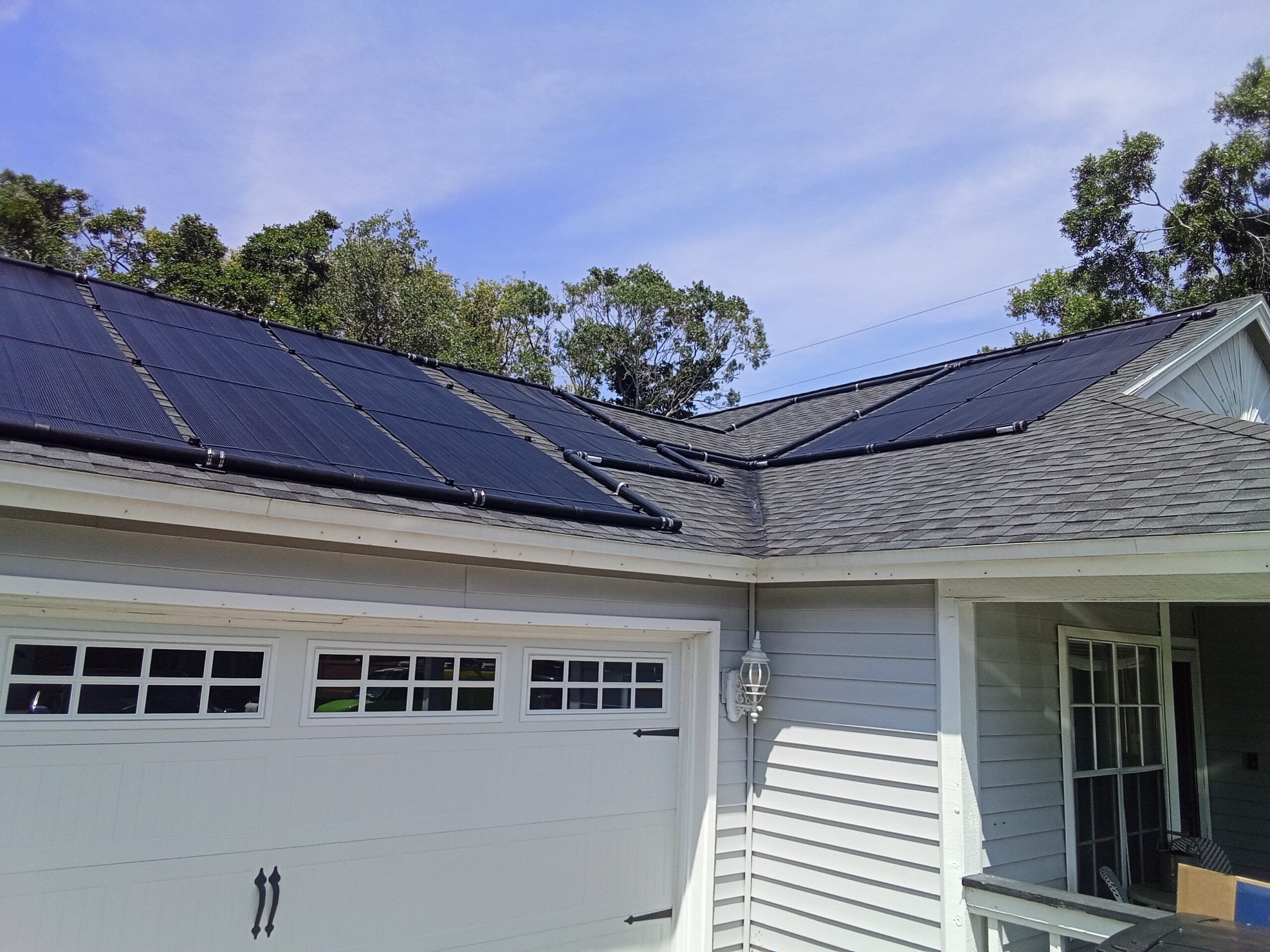
If you’re thinking about investing in solar pool heating or replacing older panels, one of the first questions you’re probably asking is:
“How long do solar pool panels actually last?”
Most high quality solar pool heating panels last 10 to 20 years, depending on the material, climate, installation, and maintenance. Some well cared for systems will even perform beyond that range, while others may show wear earlier if exposed to harsh conditions.
Understanding what affects the lifespan of your panels helps you get the best performance from your system and know when it’s time to upgrade.
What Solar Pool Panels Are Made Of (And Why It Matters)
Solar pool heating panels are commonly made from two materials:
1. Polypropylene (PP)
This is the most widely used material for solar pool heating panels.
Typical lifespan: 10 to 15 years
Strengths:
- Durable and rigid
- UV resistant
- Holds shape well
- Affordable
Weaknesses:
- Can become brittle over time in extreme heat
- Long term exposure to sun and chemicals can cause fading or cracking
Brands like TS and Sun Elite use premium grades of polypropylene designed to withstand sun exposure, but even the best PP systems eventually wear down.
2. EPDM Rubber Panels
EPDM is a flexible synthetic rubber, often used in roll out mats or flexible panel systems.
Typical lifespan: 7 to 12 years
Strengths:
- More flexible
- Handles freeze thaw cycles better
- Easier to store in winterized systems
Weaknesses:
- Softer material can degrade faster in desert climates
- Not as rigid as polypropylene
- More prone to flow inconsistencies if not installed well
EPDM can be ideal for certain climates, but in hot regions like Nevada and Arizona, polypropylene typically lasts longer.
What Affects Solar Pool Panel Lifespan?
Even with high quality materials, several environmental and mechanical factors influence how long your panels will last.
1. Sun Exposure and Heat
Solar panels thrive on sunlight, but the same UV exposure that heats your pool also breaks down plastic over time. Polypropylene handles UV exposure better, but all materials eventually degrade.
In hot regions like Las Vegas, Scottsdale, and Phoenix, panels can wear a bit faster due to intense desert sun.
Signs of sun wear:
- Fading or discoloration
- Surface cracking
- Brittleness around headers or tubes
2. Water Chemistry
Poor pool chemistry is one of the fastest ways to shorten the lifespan of any solar heating system.
High chlorine, low pH, or constant chemical fluctuations can stress the material inside the tubes.
Watch for:
- Softening or warping
- Small leaks at tube connections
- Header cracks
Maintaining balanced water helps prolong the life of your panels significantly.
3. Roof Placement and Wind Exposure
Wind cools panels and can stress mounting brackets. On very windy roofs or unshielded areas, panels may experience more flexing.
High winds can also cause:
- Wear around mounting points
- Movement that loosens fittings
- Faster heat loss
More secure mounting and proper installation help minimize this.
4. Flow Rate and Pump Settings
Water moving too fast through the panels won’t absorb heat efficiently.
Water moving too slowly can cause pressure issues or overheating in the tubes.
Improper flow can lead to:
- Internal stress
- Uneven heating
- Long term material fatigue
Matching pump settings to panel size keeps the system healthy.
5. Freeze Exposure
In regions with winter freezes, panels last longer when:
- Properly winterized
- Drained before freezing temps
- Installed with vacuum relief valves
EPDM panels handle freeze cycles better, but PP panels last longer overall when protected correctly.
How to Tell When It’s Time to Replace Your Panels
Even durable systems eventually need replacement. Look for:
- Cracks in the header or tubes
- Reduced temperature gain
- Frequent air in the lines
- Discoloration or brittleness
- Small leaks that keep returning
- Noticeably uneven water flow
If your panels are more than 10 years old and showing these signs, upgrading will dramatically improve performance.
What You Can Expect With Proper Maintenance
With good care, solar pool panels can often exceed their expected lifespan.
Here’s what helps them last longer:
- Balanced pool chemistry
- Clearing debris from panels
- Routine inspections for leaks
- Protecting the system during winter
- Ensuring proper water flow
- Replacing worn O rings and connectors
A well maintained system often performs reliably for many seasons.
The Bottom Line
High quality solar pool heating panels are designed to last a decade or more, and many perform well far beyond that. Your actual lifespan will depend on:
- Material type (PP and EPDM)
- Climate and sun exposure
- Water chemistry
- Installation quality
- General maintenance
If your system is aging or no longer heating your pool like it used to, replacing or expanding your panel array can restore performance quickly.
Looking to replace older panels or upgrade your system?
Solar Pool Warehouse carries trusted brands, and compatible components designed for long lasting performance.