If you are a DIY pool owner, there is a good chance you like to research before you buy. You want to understand the system, compare your options, avoid wasting money, and make sure you are choosing the right products for your pool.
That is a smart approach. Solar pool heating is not something you want to piece together without a plan.
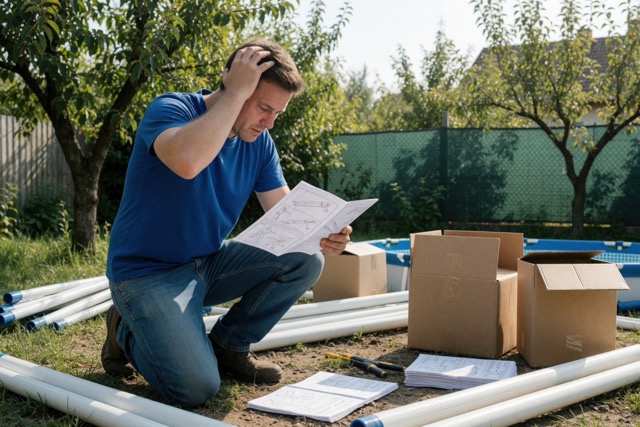
But there is a point where research starts to turn into overthinking. You compare panels, kits, controllers, accessories, sizing charts, roof layouts, plumbing diagrams, and installation videos until the project starts to feel more complicated than it needs to be. Before long, you are still reading, still comparing, and still swimming in cold water.
The good news is that choosing a DIY solar pool heating setup does not have to be overwhelming. Once you understand what actually matters, it becomes much easier to move forward with confidence.
Solar pool heating is not about finding the most complicated system. It is about choosing the right setup for your pool, your space, and the way you want to use your backyard.
Start With the Goal, Not the Parts
One of the easiest ways to overthink solar pool heating is to start by comparing products before you are clear on the goal.
Before you decide which panels, kit, controller, or accessories to buy, ask yourself what you actually want the system to do.
Do you want to make the pool more comfortable in spring and early summer? Do you want to extend your swim season? Do you want a simple weekend project that helps take the chill off? Do you want a stronger setup that gives your family more usable pool time throughout the season?
Those answers matter because they guide the rest of the project. A homeowner who wants a basic comfort boost may shop differently than someone who wants to maximize the swimming season. A small pool with full sun may not need the same setup as a larger pool with partial shade. A hands-on pool owner may be comfortable with manual operation, while another homeowner may prefer a controller that automates more of the process.
When you start with the goal, the parts become easier to choose.
What Actually Matters Before You Buy
There are a lot of details involved in solar pool heating, but not all of them deserve the same amount of attention at the beginning. If you are feeling stuck, focus on the factors that have the biggest impact on your system.
The most important things to understand are:
- Pool size: Larger pools usually need more solar collector area to warm effectively.
- Available space: Your roof, rack, or ground-mount area determines how many panels you can realistically install.
- Sun exposure: Panels need strong sunlight to perform well, so shade from trees, buildings, or roof angles matters.
- System sizing: The amount of panel area should match your pool and comfort goals.
- Plumbing layout: Your existing pool equipment setup affects how the system connects.
- Manual vs. automated control: Some homeowners are fine adjusting the system themselves, while others prefer a controller.
- Accessories and fittings: The right small parts can make the installation cleaner and easier to maintain.
If you understand these basics, you are already in a much better position than someone who is just adding random products to a cart.
Do Not Buy Random Parts and Hope They Work Together
One of the biggest mistakes DIY shoppers make is treating solar pool heating like a collection of separate parts instead of a system.
They buy panels from one place, fittings from another, valves from somewhere else, and then realize they are missing important pieces when they are ready to install. Or they buy a few panels without thinking through whether they have enough collector area, the right plumbing path, or the right accessories to complete the project.
That is where solar pool heating can start to feel frustrating.
A better approach is to think in terms of a complete setup. Panels are the heart of the system, but they are not the whole system. You may also need mounting hardware, plumbing components, valves, clamps, sensors, a controller, and other accessories depending on your layout.
Solar Pool Warehouse carries solar pool heating panels, kits, controllers, and accessories so DIY homeowners can build a setup that works together instead of trying to guess what they need from scratch.
Proper Sizing Matters More Than Tiny Product Details
When people overthink solar pool heating, they often spend too much time comparing small product differences and not enough time thinking about system sizing.
The truth is that a properly sized system is one of the most important parts of getting good results. If your system is too small for your pool, it may not warm the water the way you expect, no matter how much time you spent researching individual parts.
That does not mean every homeowner needs the largest possible setup. It means your panel area should make sense for your pool size, available space, location, and comfort goals.
For example, if your goal is to take the chill off during the main swim season, your setup may look different than someone who wants to stretch the season as much as possible. If your roof has excellent sun exposure, that also affects the plan. If your pool is heavily shaded or exposed to wind, you may need to be more realistic about performance expectations.
Before you get lost in the details, make sure the system size makes sense. That one decision can matter more than many of the smaller comparisons people tend to stress over.
Panels Are the Core, but the Right Setup Depends on Your Pool
Solar pool heating panels are the main component that helps warm your water. Your pool water circulates through the panels, absorbs heat from the sun, and returns to the pool warmer than before.
For Solar Pool Warehouse shoppers, panel options like Suntec and Sun Elite can both fit into a DIY solar pool heating project. The right choice depends on the kind of system you are building, the space you have available, and your heating goals.
This is where it helps to keep the decision simple. Instead of asking, “Which product is perfect in every possible way?” ask, “Which panel option fits my pool, my layout, and the kind of swim season I want?”
That question is much easier to answer.
If you are building your first system, focus on choosing panels that fit your available installation area and support the amount of heating you want. If you are upgrading an existing setup, think about whether your current system needs more panel area, better control, replacement parts, or a cleaner layout.
When Is a Controller Worth It?
A solar controller is one of the areas where DIY pool owners can overthink the decision. Some people want to keep things as simple as possible. Others want the system to feel more automated from the start.
A controller is worth considering if you do not want to manually manage solar heating operation throughout the season. Instead of relying only on manual adjustments, a controller can help automate when solar heating turns on and off based on system conditions.
That can be especially helpful if you want a more convenient setup, if your pool is used often, or if you want the system to feel more polished after installation.
A Pentair solar controller can be a good fit for DIY homeowners who want smarter control as part of their solar pool heating system. It is not about making the project more complicated. It is about deciding whether convenience and automation are important to you.
If you enjoy hands-on operation and want a simpler setup, you may choose to start without automation. If you want the system to manage more of the work for you, a controller may be worth including from the beginning.
What Can Be Upgraded Later?
Another reason homeowners get stuck is because they feel like every decision has to be perfect on day one. In some cases, you may be able to start with the essentials and upgrade later.
Depending on your setup, future upgrades may include:
- Adding more solar pool heating panels
- Adding a solar controller
- Replacing older or worn accessories
- Improving valves, fittings, or plumbing connections
- Adding sensors or automation components
- Reworking the layout for easier maintenance
- Expanding the system to support a longer swim season
This does not mean you should underbuild your system on purpose. It simply means you do not have to treat every choice like a once-in-a-lifetime decision. A well-planned DIY setup can often give you room to improve over time.
The key is to start with a system that makes sense and avoid buying parts that do not fit your long-term plan.
Keep Your First Buying Decision Simple
If you are stuck in research mode, simplify the decision. You do not need to answer every possible question before you take the next step.
Start with these five questions:
- How large is my pool?
- Where can I install the solar panels?
- How much sun does that area get?
- Do I want manual control or automated control?
- Am I buying a complete setup or trying to piece parts together?
Those answers will help you narrow your options quickly. From there, you can choose the panels, kit, controller, and accessories that fit your project.
The goal is not to ignore the details. The goal is to put the details in the right order.
Avoid These Overthinking Traps
Research is helpful, but too much comparison can slow the project down. If you want warmer pool water this season, try to avoid these common traps:
- Comparing every product detail before deciding how much panel area you need
- Buying based only on price instead of system fit
- Ignoring roof space, shade, or plumbing layout
- Forgetting about valves, fittings, mounting hardware, and accessories
- Waiting until mid-summer to start planning
- Assuming you can fix an undersized system with small add-ons
- Treating automation as either mandatory or unnecessary before thinking about your habits
A better approach is to match the system to your pool and your goals. Once you do that, the buying process becomes much easier.
The Best System Is the One That Fits How You Use Your Pool
There is no single perfect solar pool heating setup for every homeowner. The best choice depends on your pool, your property, your budget, and the way you want to use the water.
If your family swims often, you may want a more complete setup from the start. If you are mainly trying to take the edge off cold water, your system may look different. If you like hands-on projects, manual control may feel fine. If you want convenience, a controller may be the better fit.
The point is not to make the project complicated. The point is to make it personal.
Solar pool heating works best when it is planned around your real backyard, not someone else’s perfect example online.
Choose the Right Setup Without Overcomplicating It
DIY solar pool heating should feel exciting, not overwhelming. You are building a system that can help you enjoy warmer water, more comfortable swims, and more use from the pool you already own.
You do not need to overthink every detail before you get started. You need to understand your pool, your available space, your sun exposure, your control preferences, and your comfort goals.
From there, Solar Pool Warehouse can help you find the solar pool heating products that fit your project, including Suntec solar panels, Sun Elite solar panels, Pentair controllers, complete kits, and the accessories needed to bring the system together.
Choose the right solar pool heating setup without overcomplicating it, and start building a better swim season.